
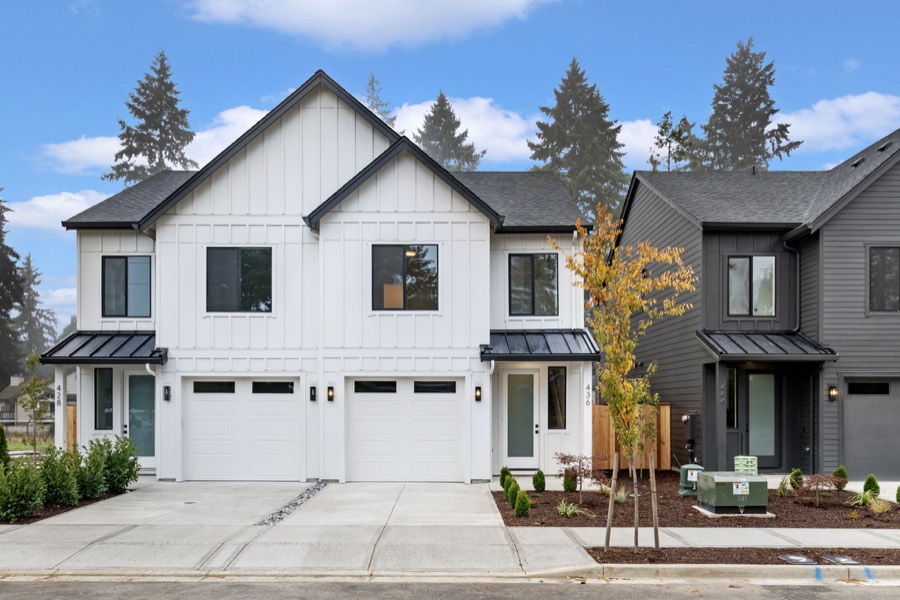
Arthur · 114 units
Location: Vancouver, WA
Farragut, Kenton, Ashley, Fircrest, Livingstone
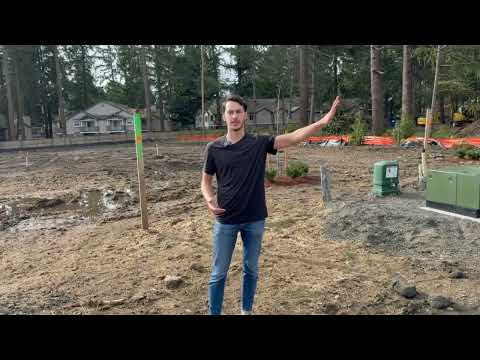
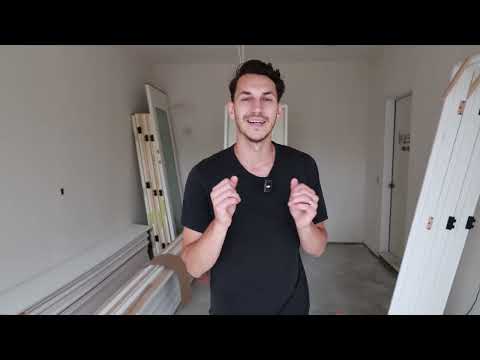
Watch this project’s journey:
InstagramSee more on this project:
View the projectThe short answer
Once you have a build or two behind you, the same process scales to infill lots, duplexes, townhomes, and subdivisions. The seven steps do not change; the underwriting, financing, and phasing get more complex. Bigger projects raise both the capital required and the margin available, which is why most developers grow into them.
Most developers climb a ladder rather than leap. A common path runs from a single-family spec, to a duplex or infill lot, to townhomes and small multi-unit, and eventually to subdivisions.
Each rung uses the exact same seven steps you already know. What grows is the size of the numbers and the number of moving parts, not the fundamental process.
Bigger projects add phasing, more involved entitlement and permitting, larger lenders, and more sophisticated underwriting. You are managing more capital and more timeline risk at once.
The upside is that margin scales with the project. That is the trade a developer grows into deliberately, one rung at a time, as the reps make the complexity manageable.
Infill is adding units to an existing parcel inside an already-developed area, like turning a single-family lot into a duplex, townhomes, or a small multi-unit. It uses the same seven steps as a single build; zoning and utilities decide how many units the parcel supports.
Most developers climb a ladder rather than leap: single-family spec, then a duplex or infill lot, then townhomes and small multi-unit, and eventually subdivisions. Each rung uses the same seven steps. What grows is the size of the numbers, not the process.
Bigger projects add phasing, more involved entitlement and permitting, larger lenders, and more sophisticated underwriting. You manage more capital and timeline risk at once. The upside is that margin scales with the project, which is the trade developers grow into deliberately.
It can be a strong step up once you have a build or two behind you. Infill can turn a modest parcel into several units, but it demands the zoning and utility checks that confirm the lot supports it. Many developers start with a single spec build first.
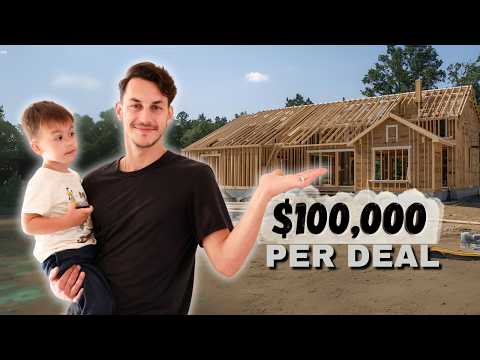
Watch and go deeper
Nationwide
65+ active member builds, 300+ units in progress, across 20+ states. Click a market to see who is building there.
346
Units developing live
49
Markets
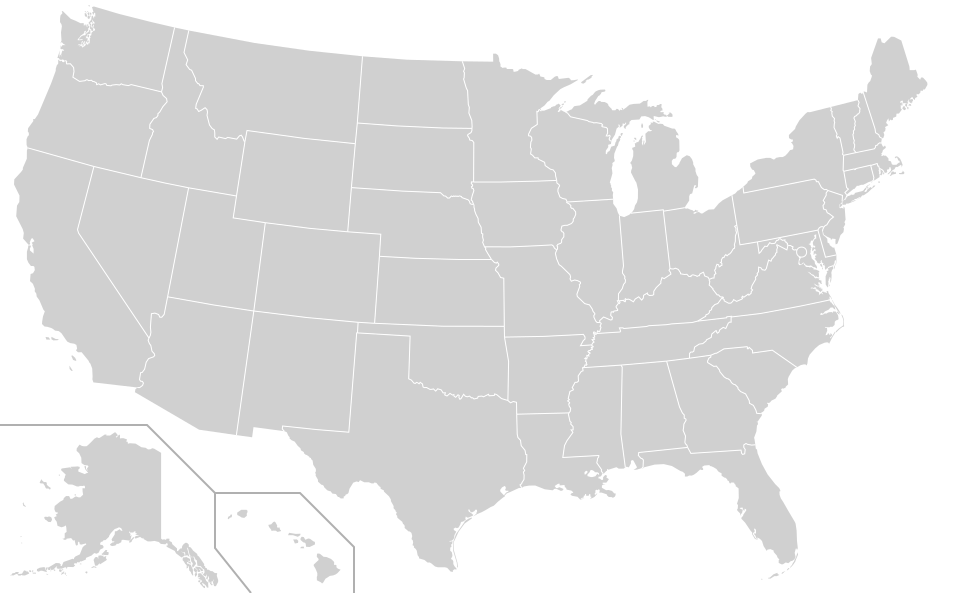
Location: Vancouver, WA
Farragut, Kenton, Ashley, Fircrest, Livingstone
Watch this project’s journey:
InstagramSee more on this project:
View the projectClick this market again for the next build here.
In Their Words
Your next step
New to development
A step-by-step challenge to line up your first deal, with our team beside you.
Join the ChallengeLive every week
Arthur and Ruben break down real deals and answer your questions in a live Q&A.
Join the live masterclassReady to build
Development consulting for people ready to put a real deal together now.
Explore consulting