
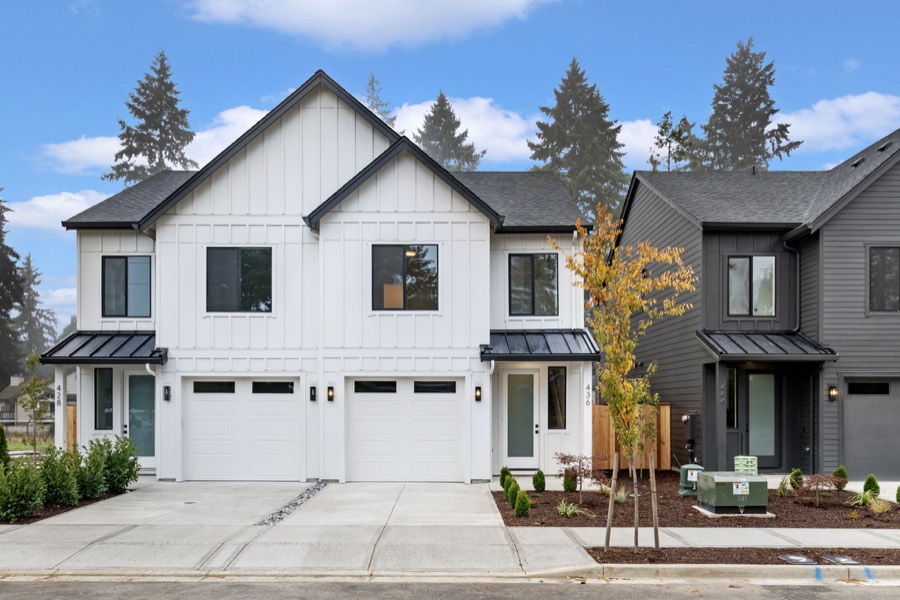
Arthur · 114 units
Location: Vancouver, WA
Farragut, Kenton, Ashley, Fircrest, Livingstone
Watch this project’s journey:
InstagramSee more on this project:
View the projectThe short answer
You do not need a construction background or a general contractor license to become a real estate developer. You need a good deal and a process to underwrite it. A developer finds land, runs the numbers, hires the plans, secures financing, manages a builder, and sells. The capital and the crew come after the deal.
A developer is the quarterback, not the laborer. None of the core moves require you to swing a hammer. You control the deal and coordinate the people who do the work: the drafter, the city, the lender, and the builder.
That is the whole reason this is learnable. If the job were skilled trades, it would take a decade. Because the job is finding a deal and managing a process, you can run your first one with the right system beside you.
Almost nobody starts with a subdivision. The first project is usually a single-family spec home or your own primary residence, where the loan terms are friendliest.
Deals come from volume: expect to evaluate 20 to 50 lots to find 1 that pencils. Keep the land under 25% of the projected sale price, and plenty of people run their first build while still working a full-time job.
The capital does not come from your savings alone. A construction lender acts as a silent partner covering 80% to 90% of the cost, and on-draw interest means you only pay on money actually deployed.
Risk is compressed by buying right, not by hoping. A deal that clears a 20% return on paper with an exit plan A and B built in is a very different bet than buying retail and crossing your fingers.
No. You do not need a general contractor license or a construction background to develop. You hire a licensed builder to run the trades. What you need is a deal that pencils and a process to underwrite it. The license belongs to the builder you manage, not to you.
Less than most expect. A construction lender acts as a silent partner covering 80% to 90% of the cost, and on an owner-occupied first build the down payment can be as low as 5%. The capital comes from the deal and the lender, not from your savings alone.
Usually a single-family spec home or your own primary residence, where the loan terms are friendliest. Almost nobody starts with a subdivision. You learn the seven steps on a small, financeable project, then scale into duplexes, infill, and larger builds from there.
Yes. Development is management work, not physical labor: sourcing deals, running numbers, and coordinating a drafter, lender, and builder. Plenty of people run their first build alongside a full-time job because the work is calls and decisions, not swinging a hammer.
Watch and go deeper

Nationwide
65+ active member builds, 300+ units in progress, across 20+ states. Click a market to see who is building there.
346
Units developing live
49
Markets
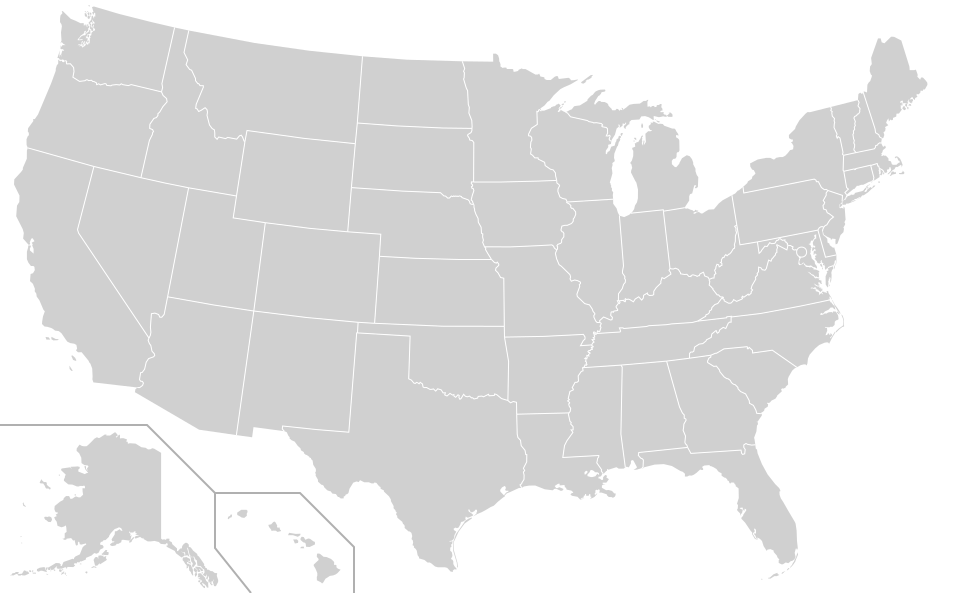
Location: Vancouver, WA
Farragut, Kenton, Ashley, Fircrest, Livingstone
Watch this project’s journey:
InstagramSee more on this project:
View the projectClick this market again for the next build here.
In Their Words
Your next step
New to development
A step-by-step challenge to line up your first deal, with our team beside you.
Join the ChallengeLive every week
Arthur and Ruben break down real deals and answer your questions in a live Q&A.
Join the live masterclassReady to build
Development consulting for people ready to put a real deal together now.
Explore consulting